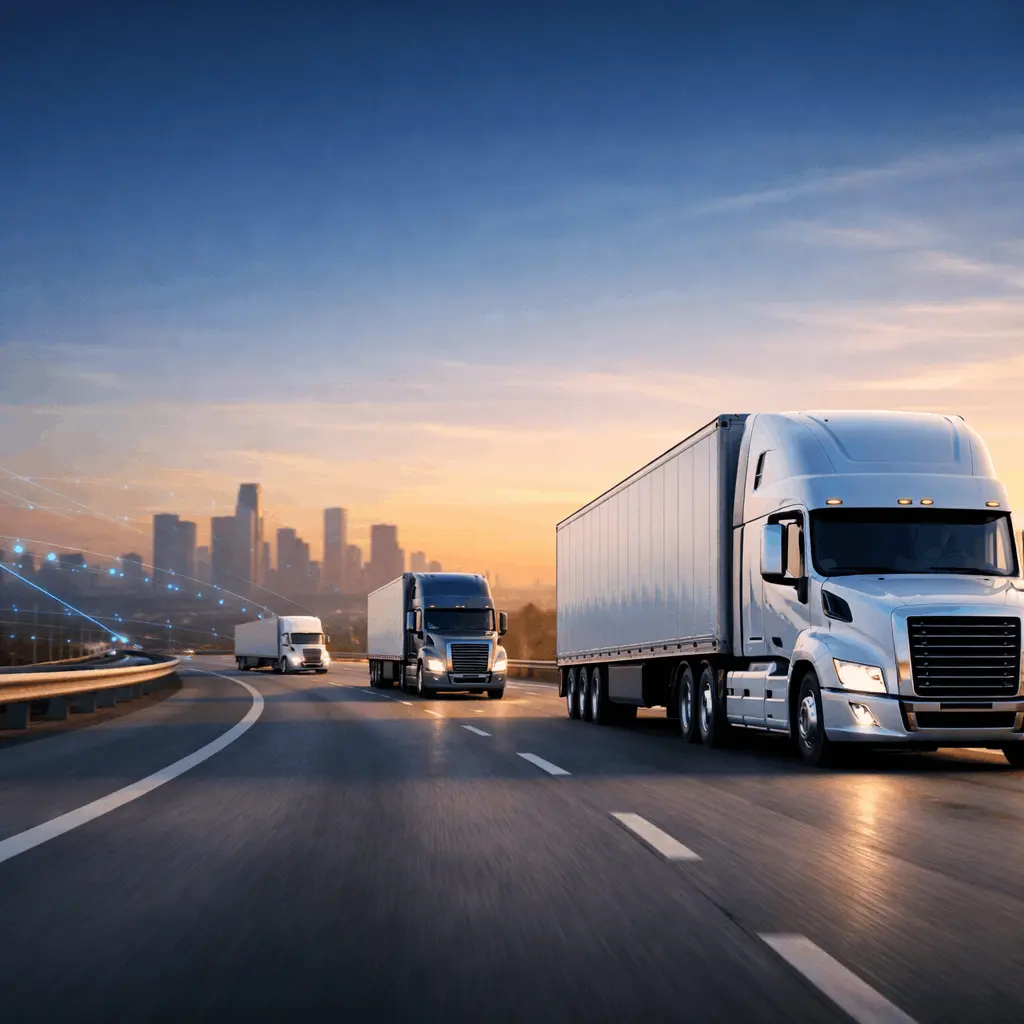
Container drayage is one of the most critical yet often overlooked components of global logistics. While ocean shipping moves goods across continents, it is drayage that ensures containers actually leave the port and reach warehouses, rail terminals, or distribution centers. Without efficient drayage operations, supply chains would stall at congested terminals.
In this guide, we break down the container drayage process at port, explain how port drayage trucking works, and walk through the step-by-step movement from port to warehouse.
What Is Container Drayage?
Container drayage refers to the short-distance transport of shipping containers, typically between ports, rail terminals, warehouses, and nearby logistics facilities.
Unlike long-haul trucking, drayage focuses on first-mile and last-mile delivery, bridging the gap between ocean freight and inland transportation networks.
Most drayage moves occur within 5 to 100 km of a port or terminal, making it a high-frequency, time-sensitive logistics operation.
Why Container Drayage Logistics Services Matter
Drayage plays a crucial role in keeping cargo flowing efficiently through ports and terminals. Its importance includes:
- Preventing port congestion and delays
- Enabling faster cargo movement to warehouses
- Supporting intermodal transport (rail + truck)
- Reducing demurrage and detention costs
- Ensuring timely delivery for supply chains
Efficient drayage ensures containers are quickly moved out of terminals, helping businesses maintain smooth logistics operations.
How Port Drayage Trucking Works
Port drayage trucking involves specialized trucks (called drayage trucks) that transport containers mounted on chassis. These trucks operate under strict schedules, port regulations, and appointment systems.
The process is highly coordinated between:
- Shipping lines
- Port terminals
- Customs authorities
- Freight forwarders
- Drayage carriers
- Warehouses or rail terminals
Even though distances are short, drayage requires precise timing, documentation, and coordination to avoid delays and penalties.
Container Drayage Process at Port – Step by Step
Let’s break down the drayage container transport step by step from arrival at port to final delivery.
1. Container Arrival at Port Terminal
The process begins when a cargo vessel arrives at the port. Containers are unloaded using cranes and stored in the terminal yard.
At this stage:
- Containers are scanned and recorded
- Assigned a storage location in the yard
- Await customs clearance and documentation
This is the starting point of the container drayage process at port.
2. Customs Clearance and Documentation
Before a container can leave the terminal, all required documentation must be completed:
- Bill of Lading verification
- Customs clearance
- Payment of duties and fees
- Release authorization
If documentation is incomplete, the container remains on hold, causing delays and additional costs.
3. Container Availability and Scheduling
Once cleared, the container becomes “available” for pickup.
At this stage:
- Drayage providers monitor availability
- Pickup appointments are scheduled with the terminal
- Trucking dispatch is planned
Timing is critical because ports often operate on strict appointment systems to manage congestion.
4. Dispatching a Drayage Truck
A drayage carrier assigns a truck and driver to pick up the container.
Key components include:
- Tractor (truck)
- Chassis (container trailer)
- Port access credentials
The driver is dispatched with container details, pickup time, and terminal instructions.
5. Gate Entry and Container Pickup
The driver arrives at the port terminal and goes through the gate process:
- Identity and security verification
- Documentation check
- Assignment of pickup location
The container is then:
- Retrieved from the yard
- Mounted onto a chassis
- Secured for transport
This step is the core of how port drayage trucking works.
6. Short-Haul Transportation (Port to Warehouse Drayage)
Once loaded, the truck transports the container to its next destination, such as:
- Warehouse or distribution center
- Rail terminal for intermodal transport
- Transloading facility
This short-haul movement is typically completed within the same city or region.
7. Delivery and Unloading
At the destination:
- Container is unloaded or “stripped”
- Goods are moved into storage or distribution
- Inventory is processed
Some drayage services also offer:
- Transloading (moving goods to another trailer)
- Cross-docking
- Temporary storage
8. Return of Empty Container
After unloading:
- The empty container must be returned to a designated yard or terminal
- This is called “empty return”
Failure to return containers on time can result in detention charges, making this step crucial.
Port to Warehouse Container Drayage Flow
1. Ship arrives at port
The cargo vessel docks at the port terminal, carrying containers filled with goods ready for unloading and further inland transportation processing.
2. Container unloaded and stored
Cranes unload containers from the vessel and place them in designated yard areas, where they are temporarily stored until clearance.
3. Customs clearance completed
Authorities verify documents, inspect cargo if required, and approve release, ensuring compliance with import regulations before containers leave the port.
4. Drayage truck scheduled
Logistics teams arrange a drayage carrier, assign a driver, and book a pickup slot based on container availability and terminal scheduling systems.
5. Container picked up from terminal
The driver enters the port, completes gate formalities, locates the container, and securely loads it onto a chassis for transportation.
6. Transported to warehouse
The drayage truck moves the container from the port to a nearby warehouse, distribution center, or rail yard efficiently and safely.
7. Cargo unloaded
At the destination, the container is opened, goods are unloaded, sorted, and prepared for storage, distribution, or further logistics handling operations.
8. Empty container returned
After unloading, the empty container is returned to the designated depot or terminal within the allowed timeframe to avoid detention charges.
This structured workflow ensures efficient container drayage logistics services from port to inland facilities.
Types of Container Drayage Services
Different types of drayage services support various logistics needs:
1. Port Drayage
Movement between port terminals and nearby facilities.
2. Rail Drayage
Transport between rail yards and warehouses.
3. Intermodal Drayage
Connecting multiple transport modes (ship → rail → truck).
4. Door-to-Door Drayage
End-to-end service from port directly to final destination.
Key Challenges in Port Drayage Operations
Despite its simplicity, drayage faces several operational challenges that can impact efficiency and timelines. Port congestion is a major issue, as high container volumes often delay pickups and deliveries, creating bottlenecks at terminals. In addition, appointment delays—whether due to missed slots or limited availability—can disrupt carefully planned schedules and lead to costly rescheduling.
Another common challenge is chassis shortages, where limited equipment availability slows down container movement. Businesses also face demurrage and detention fees when containers are not picked up or returned within the allowed time, increasing overall costs. Furthermore, documentation errors, such as incorrect or incomplete paperwork, can prevent container release altogether, causing delays across the supply chain.
Best Practices for Efficient Drayage Operations
To optimize drayage performance, companies should:
- Plan pickups in advance
- Ensure documentation is accurate
- Work with experienced drayage providers
- Track container status in real time
- Avoid delays to minimize penalties
Efficient coordination across all stakeholders is key to smooth operations.
Role of Drayage in Modern Supply Chains
Drayage is not just a support function—it is a critical link in global logistics.
It connects:
- Ocean freight
- Inland transportation
- Warehousing and distribution
Without drayage, containers would remain stuck at ports, disrupting the entire supply chain.
Streamlining Drayage for Faster, Cost-Effective Port Operations
Container drayage is the backbone of port logistics, enabling the smooth movement of cargo from terminals to inland destinations. While the distance is short, the process involves multiple steps, stakeholders, and strict coordination.
Understanding how container drayage works at ports and terminals helps businesses improve efficiency, reduce costs, and avoid delays. From container arrival to final delivery, every step in the drayage process plays a vital role in keeping global trade moving.
With reliable container drayage logistics services, companies can ensure faster turnaround times, better supply chain visibility, and seamless port-to-warehouse operations.