
Drayage vs. Intermodal Transport: Key Differences Every Shipper Should Understand
In modern supply chains, efficient transportation is essential for businesses that move goods across cities, countries, and continents. Two logistics terms that frequently appear in freight transportation are drayage and intermodal transport. While both are essential components of global shipping operations, they serve different purposes in the movement of cargo.
For shippers, logistics managers, and businesses involved in freight operations, understanding the difference between drayage and intermodal transport can help improve efficiency, reduce costs, and streamline supply chains.
This article explains how these two transportation methods work, their key differences, and when businesses should use each option.
What Is Drayage?
Drayage refers to the short-distance transportation of cargo, typically between ports, warehouses, rail terminals, or distribution centers. It usually involves moving shipping containers over relatively short distances, often within the same metropolitan area.
For example, cargo arriving at the Port of Los Angeles may need to be transported to a nearby rail yard or warehouse. A trucking company performs this short-distance move, which is known as drayage.
Although drayage trips are relatively short, they are a critical part of logistics because they connect different stages of the supply chain.
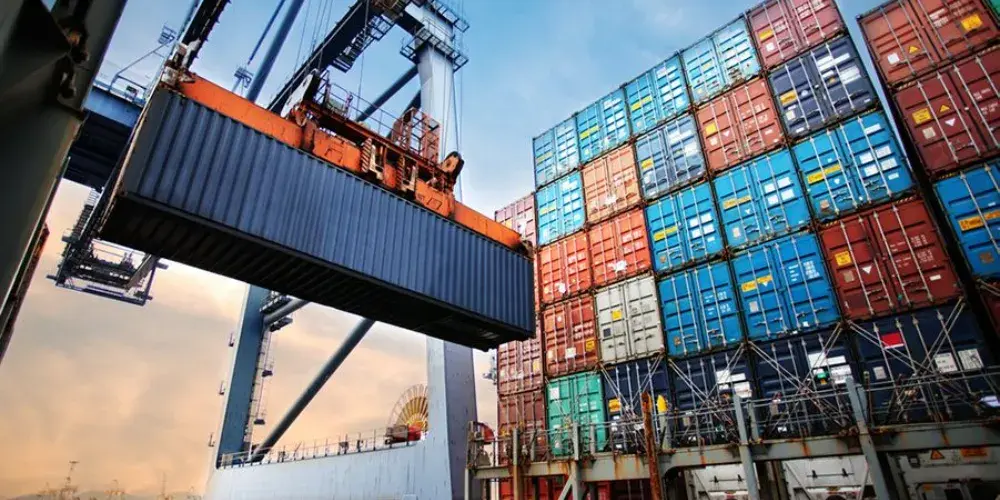
Common Types of Drayage
Drayage services can include several specialized categories, such as:
- Port drayage – transporting containers from a port to a nearby facility
- Rail drayage – moving cargo between rail terminals and warehouses
- Shuttle drayage – temporary storage and movement between facilities
- Inter-carrier drayage – transferring cargo between different carriers
Each of these services ensures that freight moves smoothly between transportation networks.
What Is Intermodal Transport?
Intermodal transport refers to the movement of cargo using multiple modes of transportation without handling the freight itself when changing transport methods.
In intermodal shipping, cargo remains inside the same container while it moves between trucks, trains, and ships. This process reduces cargo handling and helps protect goods during transit.

Key Differences Between Drayage and Intermodal Transport
Although drayage and intermodal transport often work together, they are not the same thing. The main difference lies in their scope and purpose within the supply chain.
Distance
Drayage typically involves short-distance transportation, often within a single city or port region.
Intermodal transport, on the other hand, usually covers longer distances, often spanning countries or continents.
Transportation Modes
Drayage relies primarily on trucking to move cargo between nearby locations.
Intermodal transport involves multiple transportation modes, such as trucks, trains, and ships.
Role in Logistics
Drayage serves as a connector between transportation hubs, ensuring that cargo moves from ports to rail yards or warehouses.
Intermodal transport represents the entire journey of cargo across multiple transport systems.
Cost Efficiency
Intermodal transport is often used for long-distance shipping because it can reduce fuel costs and improve efficiency by using rail or maritime transport.
Drayage, while necessary, is usually a smaller portion of the overall shipping cost but remains essential for completing the logistics chain.
How Drayage Supports Intermodal Shipping
Drayage is actually a critical component of intermodal transportation. Without drayage services, containers would not be able to move efficiently between ports, rail terminals, and distribution centers.
For example:
- A container arrives at a port by ship.
- A drayage truck moves the container to a rail terminal.
- The container travels long distance by train.
- Another drayage truck delivers the container to its final destination.
This process highlights how both transportation methods work together to keep global supply chains functioning smoothly.
Benefits of Drayage Services
Although drayage covers shorter distances, it offers several important advantages.
Faster Local Transportation
Drayage ensures that containers move quickly between transportation hubs, preventing delays in supply chains.
Essential Port Operations
Ports rely on drayage services to move thousands of containers every day, keeping cargo flowing through shipping terminals.
Flexibility in Logistics
Drayage trucking allows logistics providers to adjust routes and schedules quickly based on operational needs.
Advantages of Intermodal Transport
Intermodal transportation offers several strategic benefits for long-distance freight movement.
Cost Efficiency
Rail and maritime transport are often more fuel-efficient than trucking for long distances, which can reduce shipping costs.
Environmental Benefits
Intermodal transport can lower carbon emissions by shifting long-distance freight from trucks to rail or ships.
Reduced Cargo Handling
Because cargo remains inside the same container throughout the journey, there is less risk of damage during transfers.
When Should Shippers Use Drayage?
Drayage services are best used when cargo needs to move between nearby logistics hubs.
Common scenarios include:
- Moving containers from a port to a warehouse
- Transporting freight between rail terminals and distribution centers
- Delivering containers from shipping yards to nearby facilities
In these situations, drayage provides the necessary short-distance connection within the logistics network.
When Is Intermodal Transport the Best Choice?
Intermodal shipping is ideal when goods must travel long distances while keeping costs manageable.
It is particularly useful for:
- International trade
- Cross-country freight transportation
- Large-volume cargo shipments
By combining trucks, trains, and ships, intermodal systems help companies optimize logistics and improve supply chain efficiency.
Both drayage and intermodal transport play essential roles in modern freight logistics. Drayage handles short-distance container movement between logistics hubs, while intermodal transport manages the broader journey of cargo using multiple transportation modes.
Understanding how these two systems work together allows shippers to make informed decisions about transportation strategies. By combining efficient drayage services with well-planned intermodal routes, businesses can reduce costs, improve delivery reliability, and maintain a more resilient supply chain.
As global trade continues to grow, these transportation methods will remain vital components of modern logistics operations.